
Mengapa Pelat Atap Beton Pada Bangunan GIS Rentan Retak Dini ?
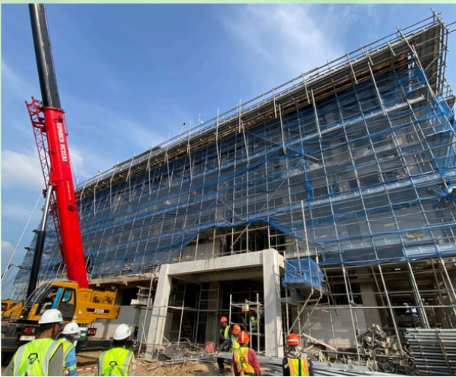
Why Are Concrete Roof Slabs on GIS Buildings Prone to Premature Cracking ?
A Standards-Based Engineering Approach and Field Practices: Premature cracking in concrete roof slabs remains a common finding in Gas Insulated Substation (GIS) construction projects, even in designs that meet standards. While generally non-structural, this condition cannot be ignored because it has the potential to affect durability, increase the risk of leaks, and impact the building’s long-term performance.
In practice, cracking is often directly attributed to natural concrete properties such as shrinkage. However, field experience shows that the causes are not that simple. A more comprehensive understanding is needed, linking design, construction methods, and environmental conditions.
Roof characteristics of GIS buildings
Roof slabs on GIS buildings have a relatively high level of exposure compared to conventional buildings. Roof surfaces generally receive direct solar radiation throughout the day, with limited protection from shading elements.
This condition causes significant temperature fluctuations, with the upper portion of the slab experiencing intense heating while the lower portion is relatively stable. This difference is a major factor in triggering internal stresses in concrete, especially in
its early stages.
Understanding the Causes of Cracks More Comprehensively
Shrinkage Is Not The Only Factor
In reinforced concrete design, shrinkage crack control has been regulated through the provision of minimum reinforcement according to SNI 2847:2019 which refers to ACI 318. However, this approach basically assumes that the implementation conditions run according to the design assumptions, especially in terms of curing. Why are Concrete Roof Slabs in GIS Buildings Prone to Premature Cracking?
Curing: A Critical Factor That’s Often Overlooked
Curing plays a crucial role in maintaining concrete moisture and ensuring optimal hydration. According to ACI 308R, failure to cure can accelerate water loss from the concrete surface. In field conditions, some common occurrences include:
- Insufficient curing duration
- Unprotected concrete surface
- Direct exposure to heat and wind
This condition increases the risk of premature cracking due to plastic
shrinkage. (Also read: 4-Day Perawang Site Survey by PT. Arfy Reka Cerdas Team )
The Effect of Temperature Gradients on Roofs:
Besides shrinkage, another factor that significantly affects GIS buildings is the temperature gradient. The temperature difference between the top and bottom surfaces of the slab creates internal tensile stresses. This phenomenon is described in ACI 207.1R, where uneven temperature changes can cause cracking, even before the concrete is subjected to significant structural loads.
How to Assess Cracks?
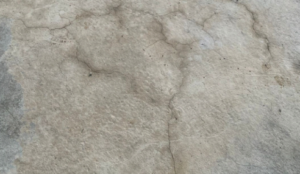
Not all cracks indicate structural failure. According to ACI 224R, cracks of small width are generally acceptable under certain conditions. However, for roof elements, cracks still require attention because they are directly related to the potential for water ingress and their impact on long-term durability.
Recommended Control Strategy
To minimize the risk of premature cracking, an integrated approach is required:
1. At the design stage:
- Ensure minimum reinforcement is met according to standards
- Adding distribution reinforcement to areas with
high exposure - Consider using joints to control
crack patterns.
2. At the implementation stage:
- Apply curing effectively for at least 7 days
- Using surface protection methods such as plastic
sheets or wet geotextiles - Set the casting time so that it is not carried out in
extreme temperature conditions.
3. As an additional step:
- Using heat reflective coating on the roof
- Consider additional insulation systems if necessary
PT. Arfy Reka Cerdas’ Commitment
As a company engaged in the field of engineering design consulting, PT. Arfy Reka Cerdas is committed to providing solutions that not only meet standards, but are also relevant to real conditions in the field. The approaches applied include:
- Integration between design planning and implementation methods
- Consistent application of national and international standards
Continuous evaluation of field findings as part
of quality improvement With this approach, the company strives to provide added value in each project, as well as support the development of reliable and sustainable Indonesian electricity infrastructure.
Why Are Concrete Roof Slabs in GIS Buildings Prone to Premature Cracking? By: Agus Setiono